Choosing a visual style for a website is no longer just an aesthetic decision. It directly affects the user experience, how the brand is perceived and how well the site converts.
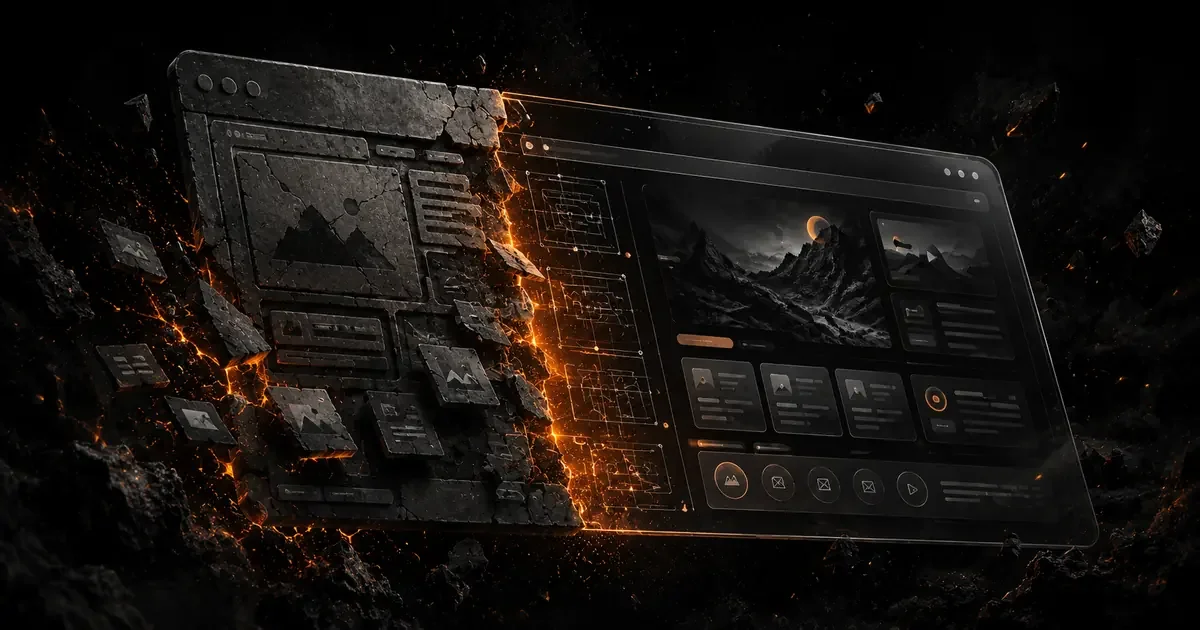
Two approaches dominate web design today: minimalism and expressive design. One favours clarity and restraint, the other visual impact and emotion. But which one suits your project?
Minimalism: efficiency and clarity
Minimalist design rests on one core principle: focus on what matters. Every element on the interface must serve a clear purpose.
Key characteristics
- Generous use of white space
- A limited, neutral colour palette
- Simple, readable typefaces
- Clean interfaces without visual clutter
- Intuitive, well-structured navigation
Advantages of minimalism
Minimalism is often chosen because it makes a website more effective:
- Better readability
- The message is understood quickly
- The content or product takes centre stage
- A professional, premium image
This style works particularly well for corporate websites, SaaS products and businesses that want to convey trust and simplicity.
Limitations of minimalism
- A possible lack of personality
- The risk of looking too generic
- Standing out is hard without creative finesse
Expressive design: emotion and a strong identity
Expressive design sets out to create an immersive, memorable experience. It emphasises emotion, storytelling and visual impact.
Key characteristics
- Bold, contrasting colours
- Animations and micro-interactions
- Daring, creative typography
- 3D effects and scroll-driven storytelling
- Free, artistic layouts
Advantages of expressive design
This kind of design is particularly effective at building a strong identity:
- Instant differentiation
- Strong visual impact
- High emotional engagement
- Better brand recall
It is often used by creative agencies, start-ups and innovative brands.
Limitations of expressive design
- The risk of visual overload
- Performance can suffer if it is poorly optimised
- More complex UX
How to choose between minimalism and expressive design
The choice depends mainly on your business goals and your positioning.
- Identify the website’s main goal (conversion, brand image, storytelling)
- Analyse your audience and its expectations
- Decide how much you need to stand out
- Assess the technical and performance constraints
When to choose minimalism
- Conversion is the top priority
- You need clarity and professionalism
- You have a lot of content to get across
When to choose expressive design
- You need to stand out strongly
- Your world is creative or innovative
- You want to create an immersive experience
The current trend: combining both approaches
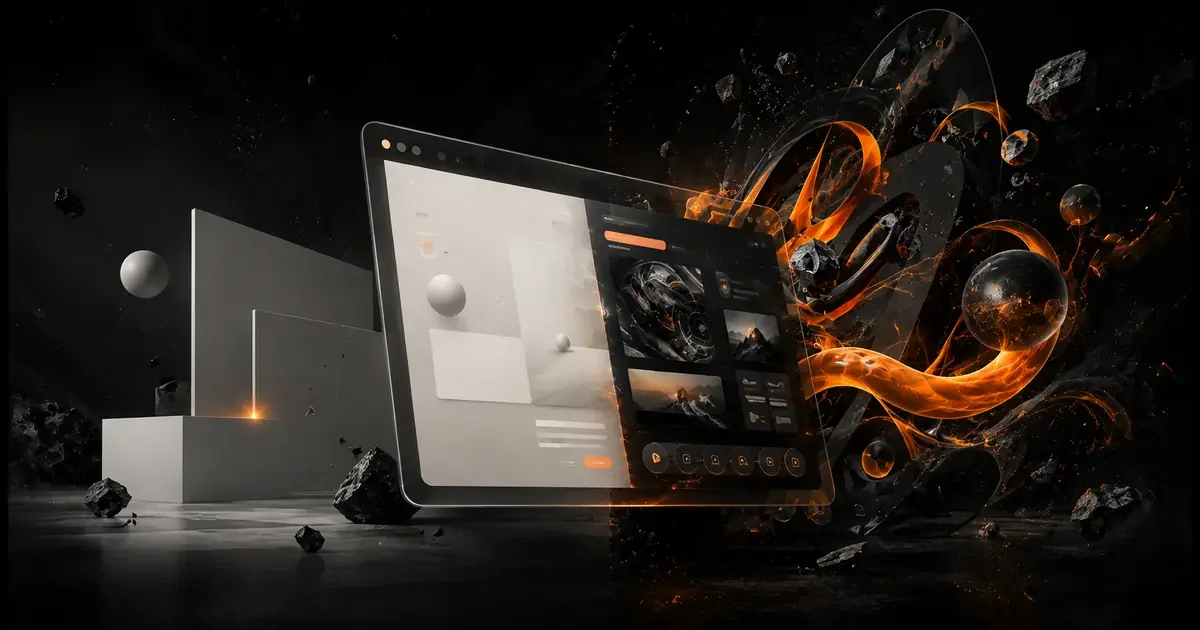
In 2026, the trend is no longer to set them against each other but to blend them. The best-performing websites combine the restraint of minimalism with carefully controlled expressive elements.
Common examples include:
- Minimalist interfaces enhanced with micro-interactions
- Subtle animations within clean layouts
- Readability-first design backed by strong art direction
Conclusion
Minimalism and expressive design should not be seen as strict opposites. The goal is to find the right balance for your brand, your objectives and your audience.
A high-performing website in 2026 has to combine three essentials: clarity, performance and a distinctive visual identity.

Sébastien
Freelance web developer and designer in Toulouse, France, since 2009. I design and code every site myself, from the brief to launch, for small businesses, tradespeople and independent professionals who want a website that brings in clients, not just visits. 17 years in the trade, 18 Google reviews at 5/5.
See my background →